Business License

Planetary gear reducer vs. traditional gear reducer: how to choose?
In the field of industrial transmission, planetary gear reducers and traditional gear reducers (mainly referring to parallel shaft or helical gear reducers) are the two most widely used types of products. When faced with the task of selecting the right type, many engineers often find themselves in a dilemma: which one is more suitable for my equipment?
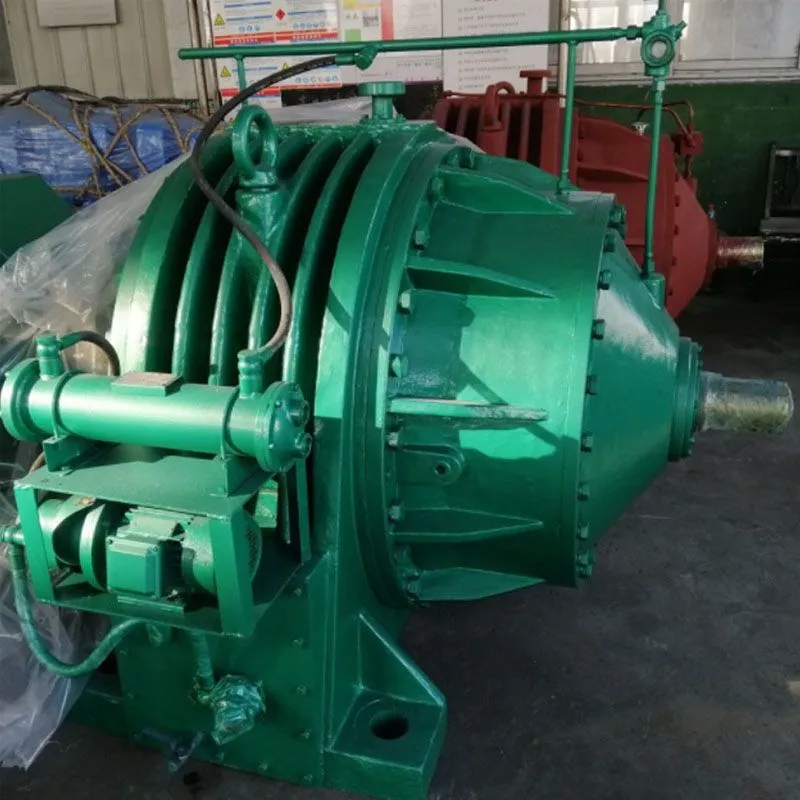
Today, we will set aside the complex formulas and conduct a deep comparison from three dimensions: structural principles, core performance, and application scenarios. We will also provide you with a clear set of selection logic.
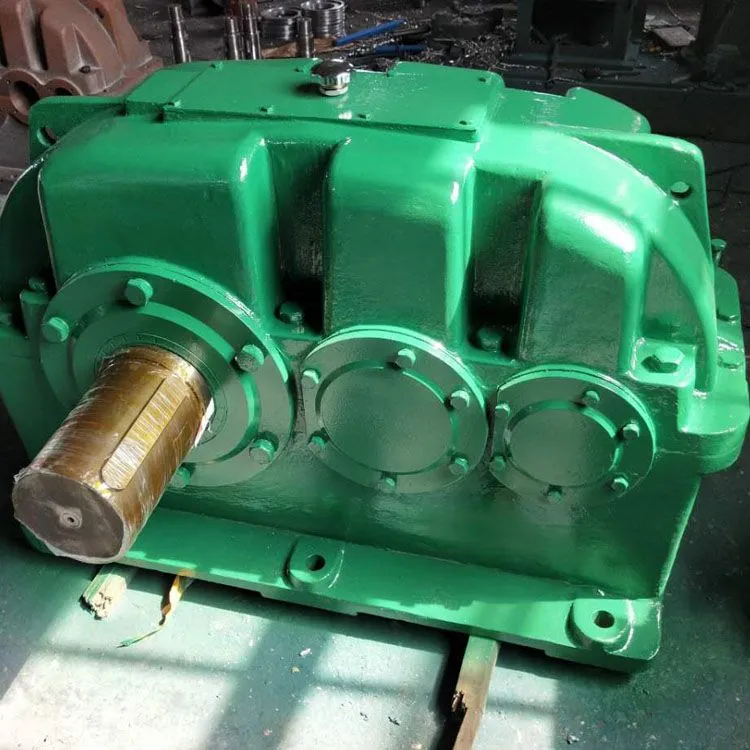
To help you understand the differences more intuitively, I have compiled a detailed comparison checklist.
| Comparison Dimension | Planetary Gear Reducer | Traditional Gear Reducer (e.g., Parallel Shaft) |
| Structure & Layout | Extremely compact. The input and output shafts are on the same axis (coaxial transmission), saving space. | Relatively loose structure. The input and output shafts are usually parallel (parallel shaft), resulting in a larger overall volume. |
| Load Capacity | High. Thanks to multiple planet gears sharing the load (power splitting), it offers extremely high torque density and load capacity within the same volume. | Average. The load is mainly borne by one or several pairs of meshing gears, limiting the overall load capacity. |
| Transmission Efficiency | High. The efficiency of a single stage is typically above 95%, and for precision planetary reducers, it can reach 97%-98%. | Relatively High. Single-stage efficiency is about 90%-98%, but efficiency decreases progressively with multiple stages. |
| Precision & Backlash | Extremely High. Through precision machining and assembly, very low backlash can be achieved (single stage can be within 1 arcmin), making it ideal for precision control. | Average. There is inherent gear backlash, making it difficult to achieve the precision levels of planetary reducers. |
| Reduction Ratio Range | Single-stage reduction ratios are relatively small, typically 3 to 10. However, large ratios can be achieved by connecting multiple stages in series while maintaining a compact structure. | Single-stage reduction ratios are small (e.g., cylindrical gears ≤5). Achieving large ratios requires adding more stages, significantly increasing the axial length. |
| Cost & Maintenance | Higher Cost. The complex structure demands high-quality materials, machining precision, and assembly skills, leading to higher manufacturing costs. Maintenance is also more specialized. | Lower Cost. The structure is mature, and the process is simpler, making manufacturing costs relatively low. Maintenance is generally easier. |
| Operational Characteristics | Smooth operation with low noise. Due to multiple teeth meshing simultaneously, the transmission is inherently more stable. | Under high load or high-speed operation, it may generate more noise and vibration. |
Recently Posted
-
Hardcore Transmission: Why ZSY Hardened Gearboxes Are the "Backbone" of Heavy Machinery
May 15, 2026A hardened tooth surface gearbox is not a specific model of product, but rather an epoch‑making gear manufacturing technology and Read More
 -
Bid farewell to frequent repairs! Four irresistible reasons to choose ZFY hardened gearboxes
March 19, 2026The ZFY hardened gearbox is characterized by its robustness, power, and energy efficiency. It utilizes a carburizing, quenching, a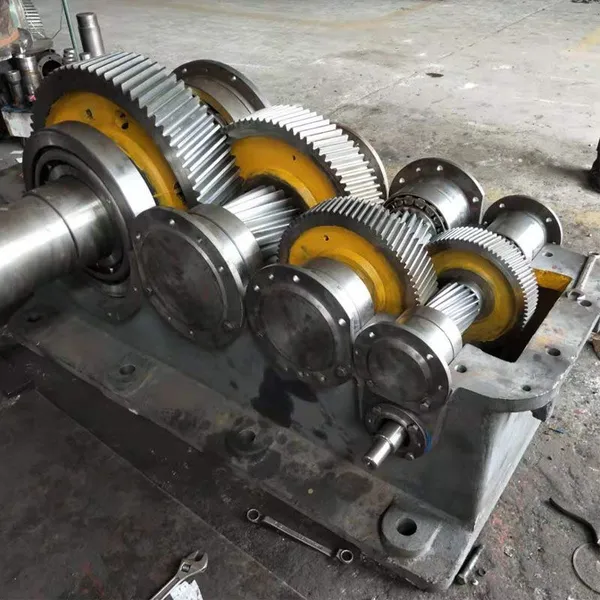 Read More
 -
Application scenarios of the double-stage ZLY355 hardened gear reducer
March 17, 2026The ZLY hardened gear reducer is a general-purpose reducer with a parallel shaft design. Due to its high load-bearing capacity, hi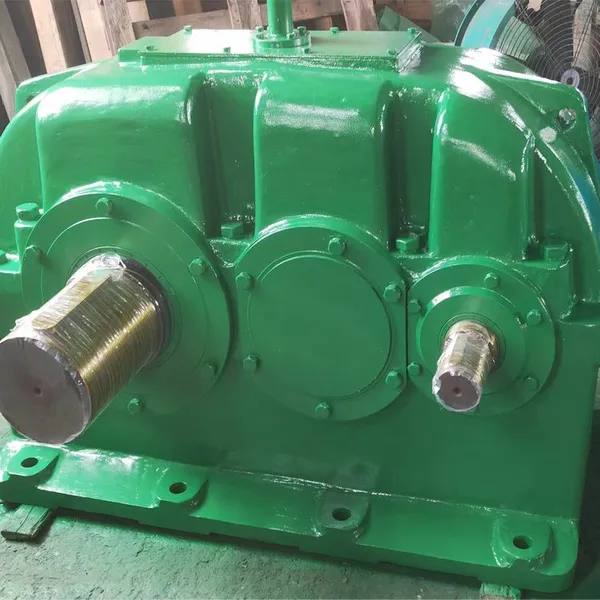 Read More
 -
HB series industrial gearboxes used in metallurgical machinery
March 16, 2026HB industrial gearboxes are a type of heavy-duty, high-power hardened gear reducers,The H series adopts a parallel-axis transmissi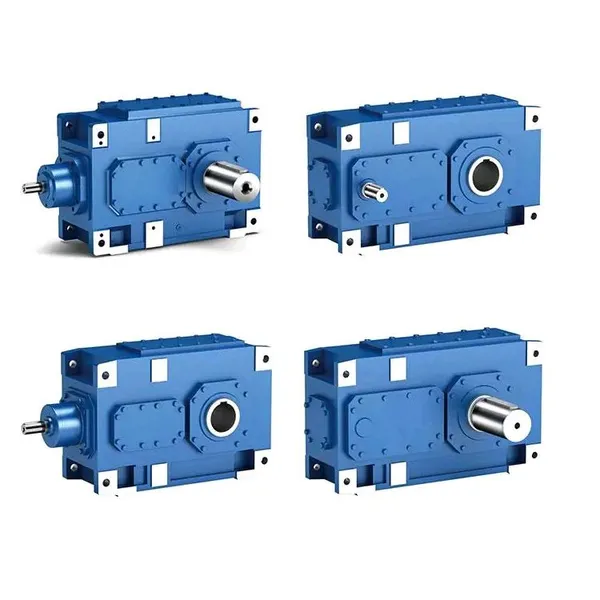 Read More

Contact Us
Recommended Products
-
 Single-stage ZDY450-3.15-2 Hardened Tooth Surface Gear Reducer / Gearbox for Sand DredgerUS$ 6380 - 6461MOQ: 1 Combo
 -
NGW112 Planetary Gear Reducer, Gearbox, Speed ReducerUS$ 4400 - 4500MOQ: 1 Combo
-
CHINA ChangTai B Series Industrial Gearbox B3HH B3SH B3SV B3DMUS$ 2800 - 2900MOQ: 1 Combo
-
ZFY450Hardened Gear Reducer for Mining MachineryUS$ 8700 - 8800MOQ: 1 Combo
-
MBY560Ball Mill Reducer, Single-stage GearboxUS$ 7800 - 8000MOQ: 1 Set
-
KA127 Hard Tooth Surface Gear Reducer Vertical StructureUS$ 2100 - 2200MOQ: 1 Unit
-
NCD710 Planetary Gear Reducer Used for Coal Mine WinchesUS$ 14500 - 15000MOQ: 1 Unit
-
NBD630 Planetary Gear Reducer Coal Industry MatchingUS$ 8800 - 9000MOQ: 1 Unit
-
H3SH H3HH H3DH13 Hard Toothed Gearbox for Steel MillsUS$ 9400 - 9500MOQ: 1 Unit
-
ZDY355 ZDY400 Hardened Gear Reducer GearboxUS$ 4680 - 4780MOQ: 1 Set
-
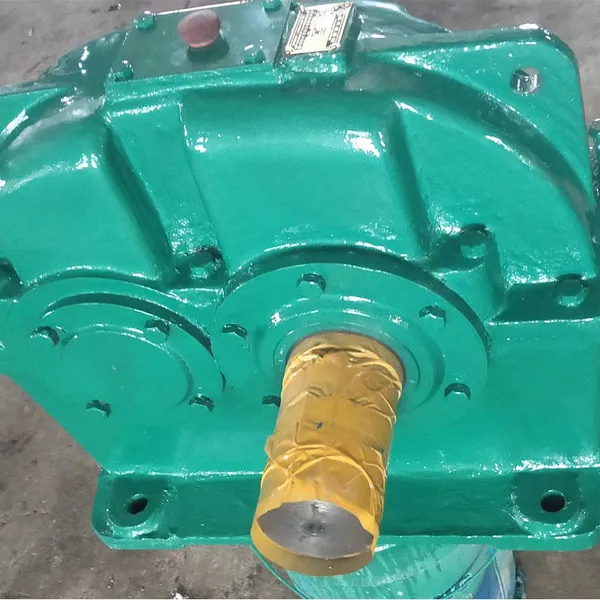
CHINA ZLY450-12.5-1 Hardened Gear ReducerUS$ 7400 - 7550MOQ: 1 Unit
-
MADE IN CHINA QJR-D500 Gear Reducer for Cranes Impact ResistanceUS$ 5100 - 5200MOQ: 1 Unit
-
CHINA MBY710 630 560 Mine Mill ReducerUS$ 5700 - 6000MOQ: 1 Unit
-
ZL85 ZL100 ZL115 ZL130Cylindrical Gear ReducerUS$ 25000 - 63000MOQ: 1 Bag
-
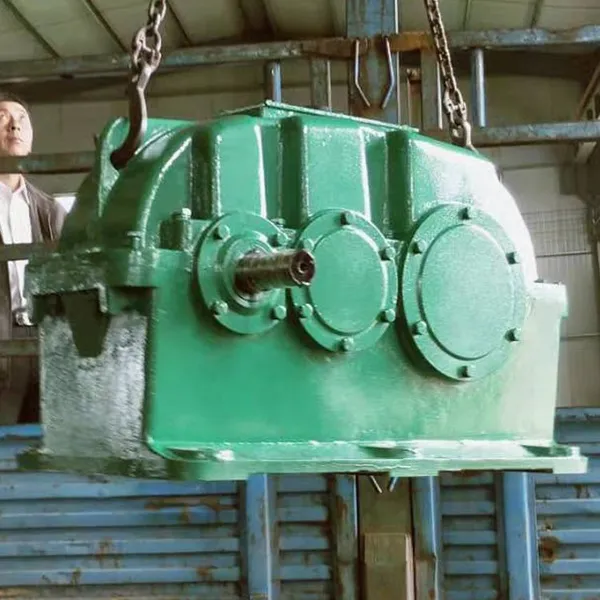
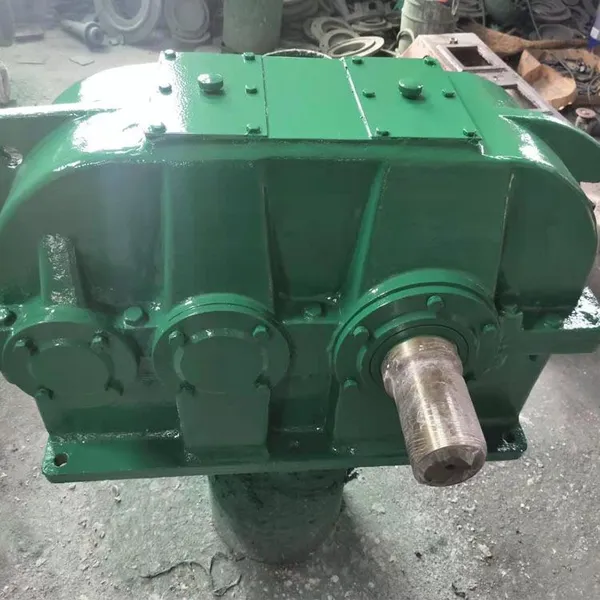
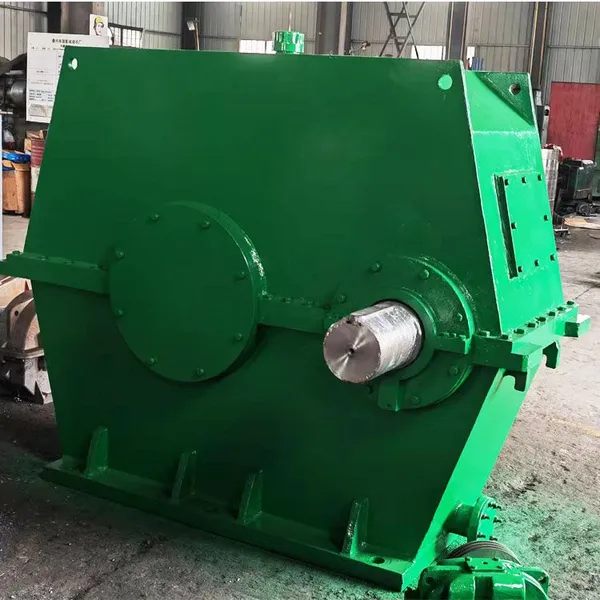
ZQ650 ZQ500 ZQ400 ZQ750 Cylindrical Gear ReducerUS$ 3000 - 14000MOQ: 1 Bag
-
Cycloidal Pinwheel Reducer All Models Made in ChinaUS$ 5000 - 20000MOQ: 1 Bag
-
CHINA ZLY315-18-3 Hardened Gear ReducerUS$ 3500 - 3600MOQ: 1 Bag
-
ZSY315-71-9 Hardened Gear Reducer GearboxUS$ 3760 - 3800MOQ: 1 Bag
-
ZSY450-63-3 Hardened Gear Reducer High TorqueUS$ 10500 - 10555MOQ: 1 Bag
-
Export ZSY355-56-IIHardened Gear ReducerUS$ 5600 - 5700MOQ: 1 Bag